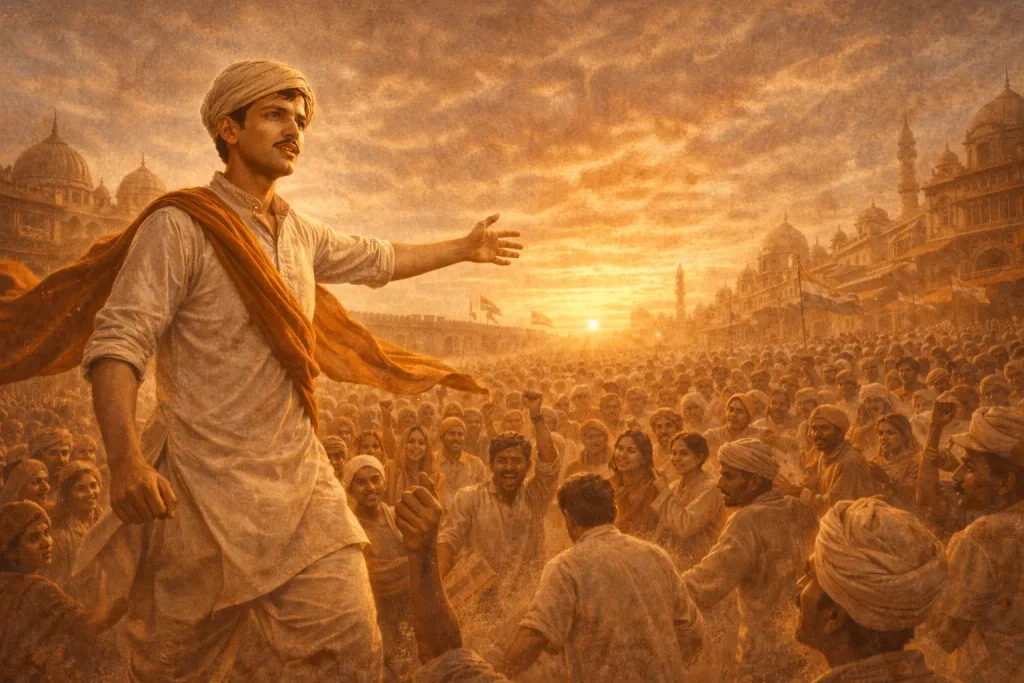
The formative years built discipline, awareness, and courage — turning early experiences into a foundation for future leadership.
Grounded Upbringing
Childhood was shaped by simple living, cultural discipline,
and close community interaction. Early exposure to responsibility
created maturity beyond age.
Learning Through Environment
Real world conditions became the primary classroom — observing
social structures, local challenges, and public behavior patterns.
Emerging Determination
Youth years revealed strong willpower and independent thinking,
along with readiness to question unfair practices and speak firmly.
Direction and Purpose
By late youth, purpose became clearer — personal growth shifted
toward public responsibility and structured action.
Turning Points
Key moments that redirected purpose, strengthened resolve, and shaped the path of action and leadership.
Reality Encounter
Witnessing real social imbalance created a deep internal shift from passive awareness to active concern.
Commitment Decision
A firm personal decision was made to dedicate effort toward public and community causes.
First Public Action
Initial visible action established credibility and demonstrated practical courage.
Recognition Moment
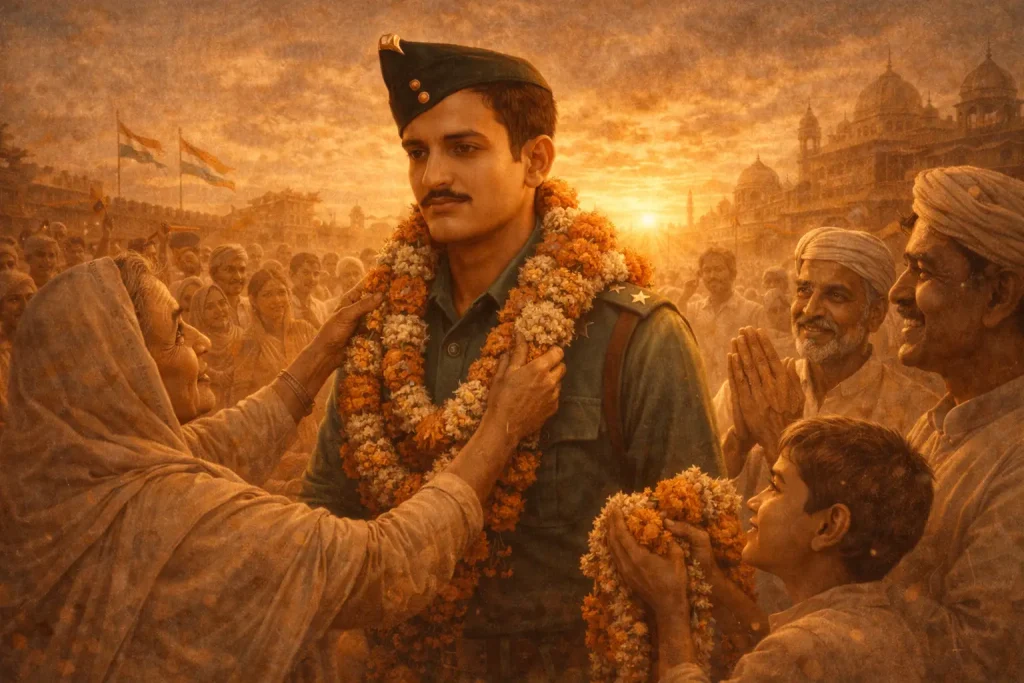
Community trust and support marked the shift into a guiding and influential role.
Major Events Timeline
Key milestones that defined direction, strengthened influence, and marked visible progress across different phases of life.
Early Public Awareness
Initial exposure to regional issues created awareness and active interest in community conditions and reform needs.
Organized Participation
Participation in structured local efforts marked the beginning of coordinated and visible involvement.
Leadership Responsibility
Trusted with guiding roles, responsibilities expanded from support actions to decision influence.
High Impact Action
Major actions during this period created lasting public impact and strengthened recognition and legacy.
Challenges Faced
Progress was shaped through resistance, uncertainty, and pressure. Each obstacle tested resolve and strengthened strategic thinking.